
Elementos para a busca do bem viver (sumak kawsay) para todos e sempre
O combate contra uma sociedade de classes e privilégios, e a memória histórica, que dá voz e ouvido aos vencidos, são eixos sumamente importantes para a construção do bem viver Continue reading Elementos para a busca do bem viver (sumak kawsay) para todos e sempre
Categories Bem Viver
Read More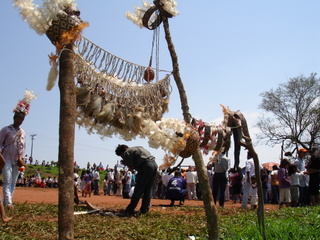 Graciela Chamorro – We imagine that indigenous peoples adore the mountains, the trees, a star. The Guarani do not worship images, and in their religious world there exist no material representations. The representation is immaterial and manifests in the canticles/chants, in myths, prayers, in the narratives. They speak of the creator being, of the consorts, of man and woman at the beginning of creation who are entrusted with a special function. As such, this relationship of the present with the past is quite powerful in Guarani culture.
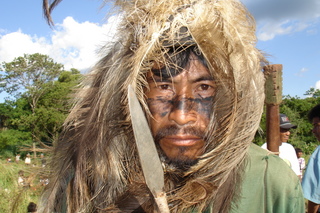 IHU On-Line – What is the value of the ancestors in the life history of this people?
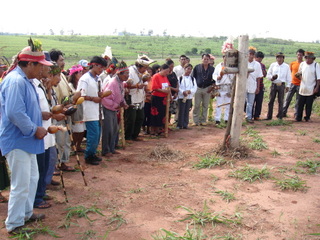 Graciela Chamorro – Death itself is regarded as natural. This theme is the object of serene speech, and when the person has reached an advanced age, death is the object of desire. The Guarani customarily say that when a person dies, her protector comes seeking him. The lords of the Word, who live in other worlds – which we simply call heaven -, seek out the Word Soul and take it to its destiny.
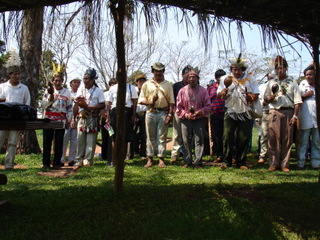 Graciela Chamorro – Theology, like philosophy and anthropology, are terms derived from the Greco-Roman world. Theology signifies discourse about God, but Guarani theology has to signify something else because they are not part of this tradition. A book of mine was called Guarani Theology (Quito: Abyayala, 2004), because the publisher requested that this be the title.
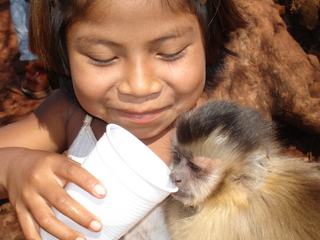 Graciela Chamorro – The Guarani have no term for the word nature, because that term implies a division between beings. We divide living beings into thinking and non-thinking. In this logic, nature is that which we can use in service to a thinking being. This in a certain way governs our society and tells us we are beings superior to nature, that we are endowed with intelligence and soul to dominate it. In theology, this served as one of the creation narratives, which says to the human being: "Dominate the earth." For the indigenous peoples, this relationship does not exist. They say they are part of nature and understand that she has soul and Word. Every being that exists today has a history. The history of these beings is the accounts they generated, in other words, their myths. These beings have a Word soul that is their foundation, and that Word soul has to develop and become mature. Viveiros de Castro said, in a lecture, that the indigenous peoples give a social status to the beings of nature, that is, they humanize them. As such they perform justification rituals for cutting down a tree that will not be able to mature. All of this occurred in a classical indigenous world. Today they cannot maintain this tradition because the environment they inhabit is not conducive to these rituals. When I ask the Guarani about eucalyptus [monoculture plantations of eucalyptus trees], for example, they say the tree has no history, that it is a new plant, generated by reforestation.